
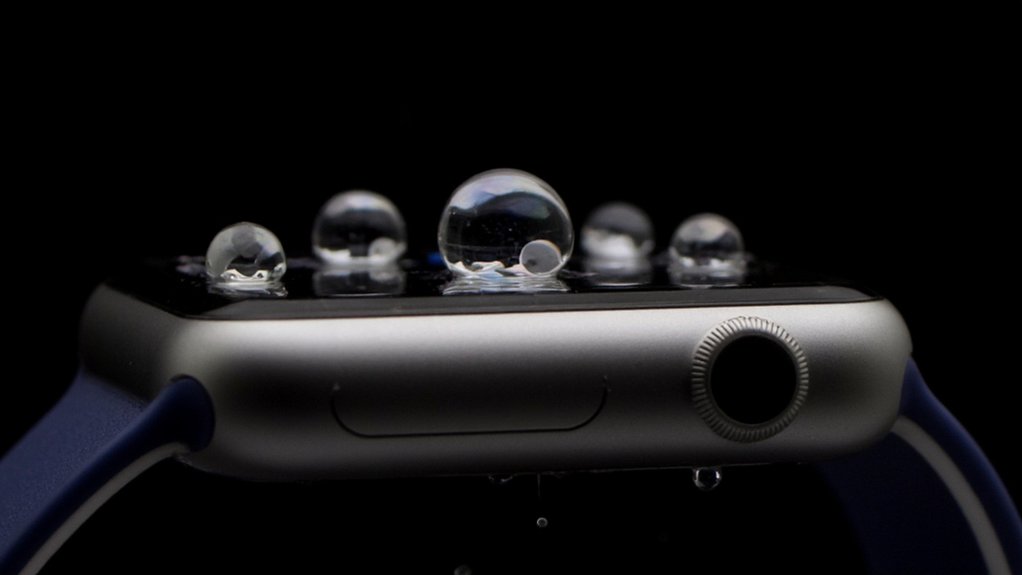
IPX ratings tell you exactly how waterproof your device is, and I’ll help you decode them. The “IP” stands for Ingress Protection, while “X” means the dust rating is omitted. The second digit (0-9) indicates water resistance level—higher numbers mean better protection. IPX4 handles sweat and splashes, IPX5-6 resist water jets like showers, and IPX7-8 survive submersion up to 1+ meters. However, these ratings don’t cover saltwater, soap, or temperature extremes, and warranty coverage often excludes water damage. Understanding what each rating truly protects against will help you choose the right gear for your specific activities.
How to Read IPX Numbers: The ‘IP,’ the ‘X,’ and What Each Digit Means
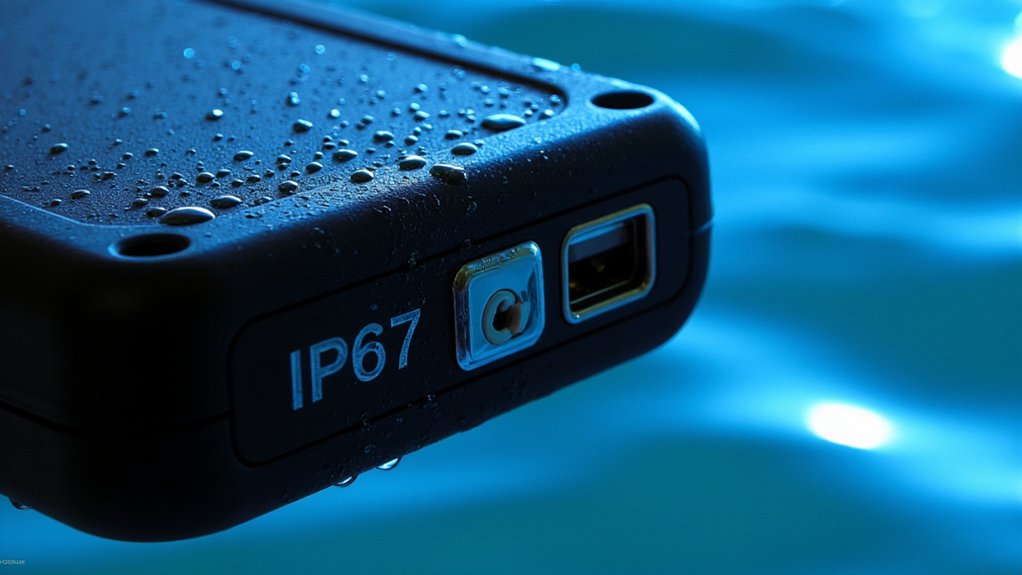
What exactly does “IPX7” mean when you see it stamped on your new earbuds or smartwatch?
Let me break down the sequence breakdown for you.
“IP” stands for Ingress Protection, indicating how well your device resists foreign materials.
The “X” replaces the first digit, which measures dust protection—it’s omitted when only water resistance matters.
The second digit’s significance ranges from 0-9, rating liquid protection levels.
Higher numbers mean better waterproofing.
So IPX7 tells you there’s no dust rating, but your gear can survive temporary water immersion.
Understanding this system helps you choose the right protection level.
Just like outdoor equipment uses different waterproof coatings with varying hydrostatic head ratings to measure water resistance, the IP rating system provides a standardized way to evaluate your electronic devices’ protection.
IPX0 Through IPX4: Surviving Splashes, Sweat, and Light Rain
Now that you know how to decode those numbers, let’s explore what each rating actually protects against in real-world situations.
IPX0 offers zero protection—avoid water entirely.
IPX1 handles vertical drips only.
IPX2 tolerates drips at 15-degree angles.
IPX3 withstands spray up to 60 degrees from vertical, managing light rain exposure.
IPX4 is where things get practical.
It survives splashes from any direction, making it ideal for sweat resistance during workouts and moderate rain exposure.
Your IPX4 headphones won’t die from gym sessions or unexpected drizzle, but don’t submerge them.
Think splash-proof, not waterproof.
IPX5 and IPX6: When Your Device Can Handle Direct Sprays
How much water can these devices really take? IPX5-rated gear withstands low-pressure water jets from any direction for three minutes. I’m talking about spray patterns equivalent to a garden hose or shower.
IPX6 steps it up dramatically—your device can handle powerful water jets with considerably higher pressure limits. Think of heavy rain or vigorous washing. However, neither rating means submersion protection. These devices excel when you’re caught in downpours or need to rinse them clean, but don’t take them swimming. Understanding these pressure limits helps you choose gear that matches your actual water exposure needs.
Many outdoor enthusiasts rely on IPX6-rated devices during activities where extended battery life matters as much as weather protection, such as multi-day hiking trips with GPS navigation.
IPX7 and IPX8: What Submersion Ratings Actually Guarantee
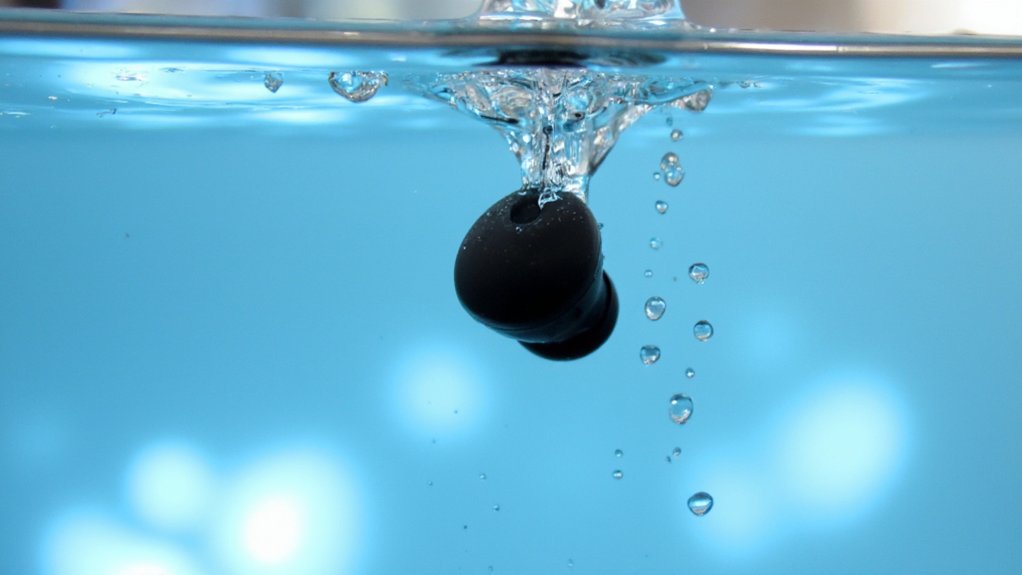
Submersion protection fundamentally changes what you can do with your devices.
IPX7 means I can submerge my gear up to 1 meter for 30 minutes, while IPX8 allows deeper immersion—manufacturers specify exact depth testing parameters.
Here’s what you must understand: these ratings don’t guarantee protection against water jets from lower ratings.
A device might survive underwater but fail against shower spray.
I’ve discovered significant warranty gaps too.
Many manufacturers won’t cover water damage despite high IPX ratings, claiming misuse.
Always verify warranty terms before assuming your IPX7 or IPX8 device is fully protected in all water situations.
IPX7 vs IPX8: Why the Difference Matters for Swimming and Diving
When you’re choosing between IPX7 and IPX8 for aquatic activities, the depth limit becomes critical.
IPX7 devices withstand submersion up to 1 meter for 30 minutes, making them suitable for shallow swimming.
IPX8 exceeds this, typically rated for 3 meters or deeper, depending on manufacturer specifications.
The underwater depth difference matters because pressure variance increases exponentially as you descend.
If you’re diving, snorkeling, or swimming in deep pools, IPX8 protects against higher water pressure that would compromise IPX7-rated gear.
For surface swimming, IPX7 suffices.
For anything deeper, you’ll need IPX8’s enhanced protection.
Which IPX Rating You Need for Running, Showering, and Beach Days
Your daily activities determine which IPX rating you’ll actually need, and most people overestimate the protection required.
For running and gym wear, IPX4 handles sweat and rain splashes perfectly.
I recommend IPX5 for showering with earbuds, as it withstands direct water jets.
Beach days need IPX6 minimum—sand and waves create harsh conditions.
Office use? IPX4 suffices for coffee spills and humidity.
Here’s my rule: match the rating to your wettest scenario.
Don’t pay extra for IPX8 dive-rated gear if you’re just jogging.
Save money by choosing appropriate protection levels for your actual lifestyle needs.
The Saltwater, Soap, and Temperature Limits Your Rating Doesn’t Cover
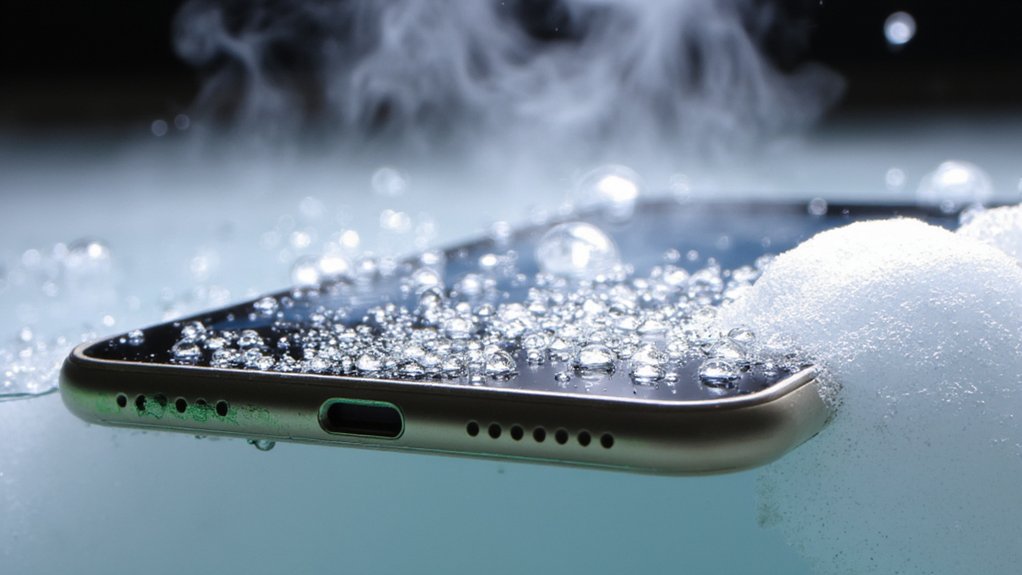
How does an IPX7 rating fail you? It doesn’t account for saltwater effects, which corrode seals faster than freshwater.
I’ve learned that soap interference can break down protective barriers, reducing your device’s actual waterproof capability.
Temperature extremes aren’t covered either—hot shower steam differs drastically from cold pool water, yet both fall under the same rating.
The test uses clean, room-temperature freshwater only.
So while your IPX7 earbuds survive a swimming pool, they might fail at the beach or in your soapy shower.
Understanding these limits prevents costly damage to your gear.
Conclusion
I’ve walked you through the IPX maze, but remember: these ratings aren’t a golden ticket to Wonka’s factory. Your device won’t magically survive everything water throws at it. Think of IPX numbers as guidelines, not guarantees—especially when saltwater, soap, or extreme temps enter the picture. Choose your rating wisely based on your real activities, and you’ll keep your gear alive longer than you’d expect.