
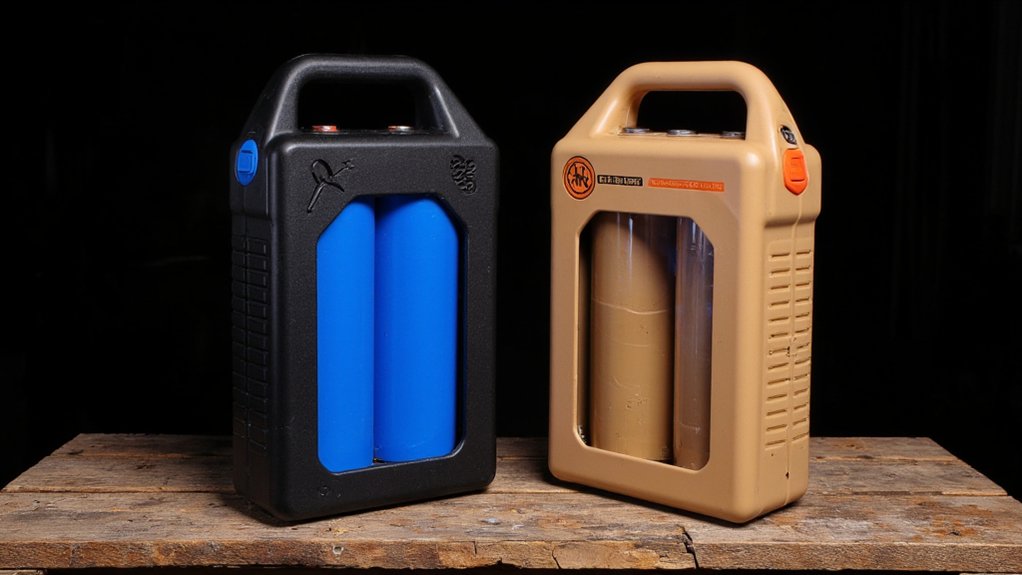
I’ve found the choice between lithium-ion and LiFePO4 portable power stations comes down to how you’ll use them. Lithium-ion units are lighter and more compact, making them ideal for portability, but they typically last only 500-1,000 charge cycles. LiFePO4 stations cost 20-40% more upfront yet deliver 3,000-5,000 cycles with superior safety and heat tolerance, making them better for frequent off-grid use or emergencies. The right choice depends on whether you prioritize initial cost and weight or long-term value and durability—each chemistry excels in different scenarios I’ll break down below.
Lithium-Ion vs LiFePO4: Key Differences at a Glance
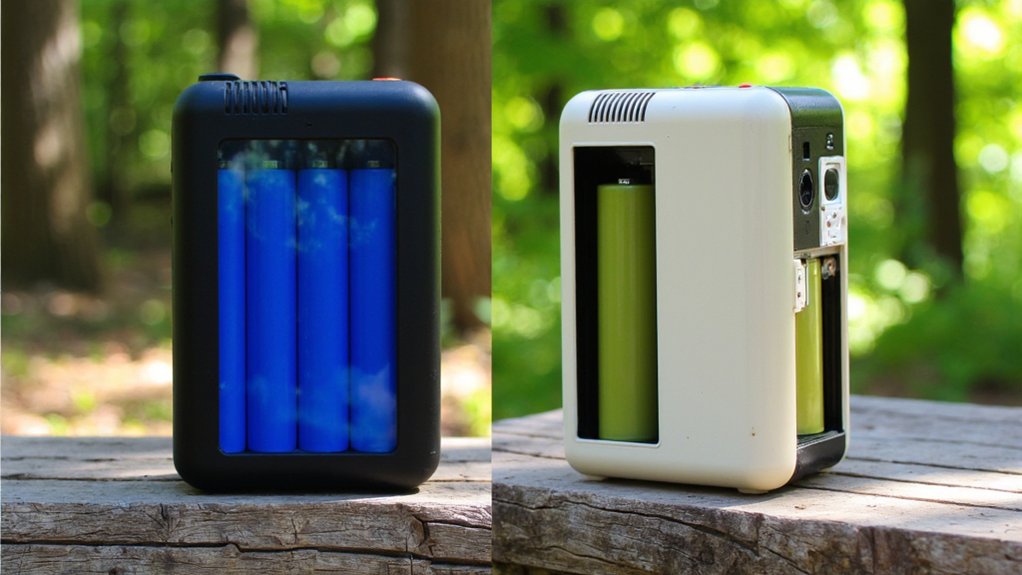
What’s the real difference between these two battery technologies, and why should it matter for your portable power station?
Let me break down the chemistry overview.
Lithium-ion batteries use cobalt oxide, offering higher energy density in compact designs.
LiFePO4 (lithium iron phosphate) uses iron phosphate, prioritizing safety and longevity.
The cycle lifespan tells the story: standard lithium-ion delivers 500-1000 cycles, while LiFePO4 provides 2000-5000 cycles.
I’ve found this difference dramatically affects long-term value.
LiFePO4 also handles temperature extremes better and poses lower fire risks, though lithium-ion remains lighter and cheaper upfront.
When building an off-grid power system, pairing your battery choice with the right charge controller ensures optimal charging efficiency and battery longevity.
Why LiFePO4 Lasts 3-5x Longer Than Lithium-Ion
How does LiFePO4 achieve such remarkable longevity compared to traditional lithium-ion? I’ll explain the science behind this durability advantage.
LiFePO4’s superior cycle life stems from its stable crystal structure.
During charging and discharging, the phosphate bonds remain intact, preventing degradation.
Traditional lithium-ion batteries experience structural breakdown after 500-1,000 cycles, while LiFePO4 delivers 3,000-5,000 cycles.
Calendar aging also favors LiFePO4.
Its chemistry resists capacity loss over time, even when stored.
Lithium-ion batteries deteriorate faster due to electrolyte decomposition and electrode instability.
This means your LiFePO4 power station maintains performance years longer, delivering exceptional value.
LiFePO4’s Safety Advantage: Lower Fire Risk Explained
Safety concerns often dominate conversations about portable power stations, and for good reason—battery fires can be catastrophic.
I’ve found that LiFePO4 batteries substantially reduce this risk compared to standard lithium-ion.
The key difference lies in thermal runaway resistance.
LiFePO4’s stable phosphate-based chemistry won’t release oxygen when overheated, preventing the self-feeding fires that plague other lithium batteries.
This inherent stability provides superior fire mitigation without requiring extensive safety systems.
While lithium-ion batteries can ignite at lower temperatures during thermal events, LiFePO4 maintains structural integrity even under extreme stress, making it the safer choice for portable power applications.
What You Pay Now vs What You Save Later
Why do LiFePO4 portable power stations cost 20-40% more upfront than their lithium-ion counterparts?
The initial price reflects superior materials and manufacturing processes.
However, I’ve found the future savings justify this investment.
LiFePO4 batteries last 3,000-5,000 cycles compared to lithium-ion’s 500-1,000 cycles.
This means you’ll replace a lithium-ion unit three to five times before your LiFePO4 needs replacement.
When I calculate cost per cycle, LiFePO4 actually becomes cheaper.
You’re paying more now to avoid repeated purchases later, making it the economically smarter choice for long-term users.
Why Lithium-Ion Wins on Weight and Portability
When you’re hiking to a remote campsite or packing for a road trip, every pound matters.
I’ll dispel some weight myths: lithium-ion batteries deliver notably higher energy density than LiFePO4, meaning more power in less space.
A typical lithium-ion station weighs 30-40% less than its LiFePO4 equivalent at the same capacity.
However, understanding portability tradeoffs is essential.
While you’ll carry less weight, lithium-ion units sacrifice some durability and temperature tolerance.
For backpackers and frequent travelers prioritizing mobility over longevity, lithium-ion’s lightweight advantage makes it the clear winner for portable applications.
Before committing to a portable station, consider calculating total watt-hour consumption for all your devices to ensure you’re not carrying excess capacity or risking a shortfall on longer trips.
How Each Battery Handles Cold Weather and Heat
Temperature extremes test battery chemistry in ways that directly affect your power station’s reliability. Cold performance separates these technologies considerably. Lithium-ion batteries struggle below freezing, losing 20-40% capacity and risking damage if you charge them under 32°F. LiFePO4 handles cold better, maintaining stronger output in winter conditions.
Heat tolerance shows a different story. LiFePO4 excels here, operating safely up to 140°F without degradation. Lithium-ion becomes unstable above 113°F, facing thermal runaway risks. If you’re camping in extreme temperatures, LiFePO4 delivers more consistent performance across seasons. I’ve found this reliability invaluable during unpredictable weather.
Which Charges Faster: Lithium-Ion or LiFePO4?
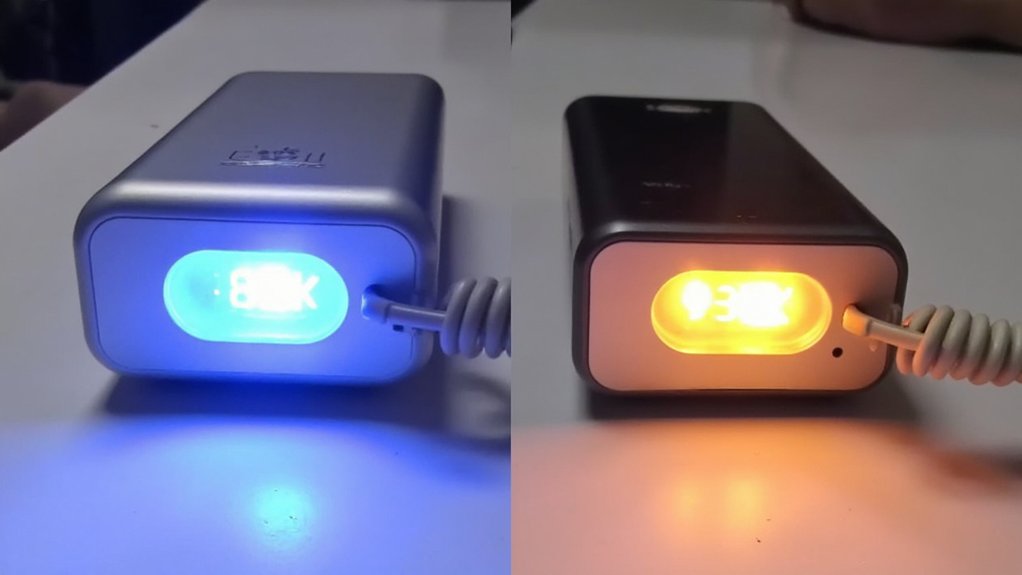
How quickly your portable power station recharges can make or break your outdoor adventures or emergency preparedness plans.
I’ve found that lithium-ion batteries typically charge faster than LiFePO4 models.
They accept higher charging rates, often reaching 80% capacity in under an hour with compatible chargers.
LiFePO4 batteries charge more conservatively to protect their longevity, usually taking 2-4 hours for a full charge.
However, this slower charging rate has minimal efficiency impact on LiFePO4’s overall performance.
If you’re prioritizing speed, lithium-ion wins.
But if you value battery lifespan over quick turnaround times, LiFePO4’s methodical charging proves worthwhile.
Best Situations for Choosing Lithium-Ion Power Stations
For lightweight backpacking trips and activities where every ounce matters, lithium-ion power stations deliver unmatched portability.
I recommend them when you’re prioritizing compact size and minimal weight over longevity.
They’re ideal for urban camping where you’ll charge frequently, making their shorter lifespan less concerning.
On road trips, lithium-ion models excel because you can easily recharge from your vehicle between destinations.
If you need maximum energy density in a small package and don’t mind replacing the unit after fewer cycles, lithium-ion is your best choice for mobile power needs.
When LiFePO4 Is Worth the Extra Investment
LiFePO4 power stations justify their higher upfront cost when you’re planning for long-term use and frequent cycling.
I’ve found the lifetime payoff becomes clear after several years of regular operation.
These batteries endure 3,000-5,000+ cycles compared to lithium-ion’s 500-1,000, meaning you’ll replace standard batteries multiple times before a LiFePO4 unit fails.
Cost benefits emerge through this extended lifespan, especially if you’re using your station daily for off-grid living, professional applications, or emergency preparedness.
Additionally, their superior thermal stability and safety features provide value that transcends pure economics, offering peace of mind during critical power needs.
Making Your Decision: Match Battery Type to Your Needs
For weekend camping trips and occasional emergencies, lithium-ion offers excellent value.
You’ll save money upfront while getting reliable performance for moderate use.
If you’re planning daily off-grid living, van life, or frequent deep discharges, LiFePO4 justifies its premium price through longevity and safety.
Consider your usage scenarios carefully: casual users rarely need LiFePO4’s advantages, while power-intensive applications demand its durability.
Match your budget criteria to realistic needs.
Don’t overspend on features you won’t use, but don’t compromise on requirements you’ll actually need.
Conclusion
I’ve just thrown a mountain of technical specs at you, and honestly, you’re probably still going to buy whatever’s on sale next week. Look, I get it—researching batteries isn’t exactly thrilling. But here’s the thing: choosing between lithium-ion and LiFePO4 now means you won’t be that person frantically Googling “why did my power station die” during the next blackout. Future you is counting on present you making the smart call.